
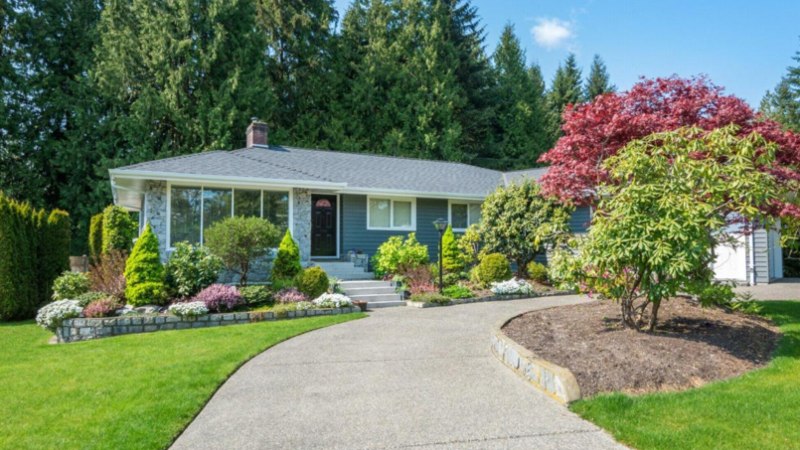
A great yard in an arid climate should never feel like a barren gravel lot. Smart desert landscape design blends shade, texture, and color without demanding constant watering. With a clear plan and tough native plants, low-water landscaping stays inviting through 100-degree summers and crisp winters.
Start With a Site Assessment and Sun Map
Before buying a single plant or ordering stone, walk your property at 8 AM and 4 PM. Morning sun feels gentle on foliage. Afternoon heat bouncing off west-facing walls can scorch tender leaves. Tracking these shifting shadows helps you match every corner of your yard with plants built for those spots.
Check how water moves across the soil during a heavy rainstorm. Low spots near a patio or foundation hold standing water and rot shallow roots. Noting wind tunnels between neighboring houses saves fragile branches from snapping during spring gusts.
Sketch a simple map of your lot on grid paper before digging any trenches. Mark utility lines, septic tanks, and mature trees so you know what sits underground. A rough layout keeps your budget realistic and prevents last-minute changes.
Plan Zones Around Microclimates and Water Needs
Grouping plants by water needs keeps thirsty herbs away from dry-loving cacti and prevents overwatering. Homeowners exploring landscape design Tucson want professional landscaping services. Putting higher-water plants near the house makes daily care simple and shortens pipe runs.
Place broad canopy trees on the south and west sides of your home to block harsh afternoon glare. Dense shade drops wall temperatures by 10 to 15 degrees during peak summer heat. Cooler shaded pockets near walls give you room to grow ferns, salvias, and citrus trees.
Leave outer edges of the property for tough native species that survive on rainfall once established. Moving gradually from lush patio greenery to open desert scrub creates a natural transition. Your landscaping will blend right into surrounding neighborhoods.
Select Tough Drought-Tolerant Plants for Year-Round Color
A common myth about desert yards is that every plant looks brown, spiky, and lifeless. Drought-tolerant plants offer bright yellow, coral, purple, and silver tones across all four seasons. Mixing different heights and leaf shapes keeps the yard engaging even when flowers rest in midsummer.
Choose drought-tolerant plants adapted to alkaline soil and low humidity so they thrive with minimal fertilizer. Use this plant list to layer color and shade across a dry yard:
- Canopy trees
- Mid-size shrubs
- Flowering perennials
- Ornamental grasses
- Groundcovers
Plant new trees and shrubs in October or November, so roots settle into warm soil before summer arrives. Young desert plants need regular watering during their first 12 to 18 months. After that root-building phase, rainfall and light irrigation keep them thriving.
Use Sculptural Succulents and Agaves as Focal Points
Bold succulents act like living sculptures in modern and traditional desert landscape design alike. Sculptural desert plants bring balance to a yard, cast shifting patterns of light and shade, and echo the clean angles of a home. Placing a large blue agave or golden barrel cactus near an entry path draws the eye right away.
Leave at least three to four feet of clearance around spiky varieties so guests never brush against sharp spines. Pairing smooth river boulders with spiky yuccas or tall cacti creates bold contrast. You get strong visual appeal with almost no extra water demand.
Group odd numbers of smaller succulents, such as three or five variegated agaves, against a plain block wall. Avoid overwatering succulents in winter, when cool weather slows root growth and raises rot risk.
Build Permeable Hardscapes That Cool the Yard
Decomposed Granite and Crushed Stone
Replacing every blade of grass with bare gray rock turns a yard into a heat trap that radiates warmth after sunset. Instead, balance crushed granite pathways with wide planting beds, shade trees, and leafy shrubs that absorb sun. Warm earth tones like gold, tan, or rose granite look natural and hide dust better than white gravel.
Spread 1/2-inch screened granite over high-traffic paths so shoes do not kick loose pebbles onto patios. Compacting the base layer with a plate compactor keeps gravel firm for patio chairs and rolling bins. Edging paths with steel or brick keeps gravel out of nearby flower beds.
Flagstone Walkways and Paver Patios
Permeable hardscapes let rainwater soak into the ground rather than running off into the street. Setting flagstone slabs or concrete pavers over compacted sand creates sturdy walkways with small drainage gaps. Expect to spend roughly $15 to $30 per square foot for professionally installed paver patios.
Choose light-colored travertine or tumbled limestone around seating areas so bare feet stay cool in afternoon sun. Leaving two-inch joints between irregular flagstones gives creeping thyme or kurapia room to soften stone edges. Sweeping polymeric sand into narrow paver joints stops weeds from sprouting between stones.
Install Water-Efficient Irrigation Systems
Hand watering rarely reaches deep enough to build strong root systems in hot climates. A University of California agriculture publication noted that drip systems cut down on wasted runoff by delivering water slowly enough for nearly every drop to sink straight into the ground. Installing water-efficient irrigation puts water right at the root zone where plants use it.
Run separate drip valves for trees, shrubs, and potted plants so each group gets the exact schedule it needs. Deep, infrequent watering, such as running emitters for two hours every 10 to 14 days in summer, trains roots downward. Smart controllers start around $120 and skip watering cycles automatically after a rainstorm.
Position emitters at the outer canopy edge of each tree rather than right against the trunk. As trees grow wider over 5 to 10 years, add an extra two-gallon-per-hour emitter for their expanding roots. Upgrade old spray heads to water-efficient irrigation lines to cut outdoor water waste fast.
Capture Rainwater With Grading and Dry Creek Beds
Desert storms often dump 1 to 2 inches of rain in under an hour, sending water racing off roofs. Shaping shallow basins around tree drip lines catches that free runoff and holds it until soil drinks it in. A 6-inch earthen berm on the downhill side of a tree keeps water pooled over active roots.
Dry creek beds lined with cobbles and large boulders guide roof runoff safely away from your foundation. Winding a rock channel through the yard turns a drainage path into a natural focal point. Place thirsty shrubs along the creek edges so they get an extra drink whenever storms roll through.
Connect downspout extensions directly to rock swales so roof water never pools against exterior walls. Adding a 500-gallon slimline cistern along a shaded wall stores extra rainwater for patio pots in spring.
Create Custom Outdoor Living Spaces for Warm Nights
Thoughtful custom outdoor living areas turn a hot backyard into a comfortable living space for 9 months each year. A slatted wood pergola or solid-roof ramada blocks direct sun and drops patio temperatures fast. Adding an outdoor ceiling fan keeps air moving on calm July evenings when breezes stall.
Orient pergola rafters east to west so overhead slats cast steady shade across seating areas at midday. Training a native passionflower vine or yellow orchid vine up a post adds cool green foliage.
Fire Pits and Outdoor Seating
Desert nights cool down fast after sunset, making a fire pit a popular spot for custom outdoor living. Built-in masonry benches topped with outdoor cushions save space and hold up well against intense UV rays. Natural gas fire bowls start near $600 and light with the flip of a switch, avoiding smoke cleanup.
Keep at least 10 feet of open clearance between any flame and overhanging mesquite or palo verde branches. Surrounding a fire pit with decomposed granite or pavers creates a clean seating circle for 6 to 8 guests.
Mulch and Amend Desert Soil the Right Way
Arid soils contain heavy clay or hard caliche layers with very little organic matter. Before planting, dig wide holes at least two to three times the width of the root ball so roots spread outward. Avoid packing rich potting soil straight into the hole, which traps water and slows root growth.
Proper mulching keeps soil temperatures steady and slows evaporation during dry windy afternoons.
Follow these four steps to protect desert soil and lock in water:
- Mix roughly 20 percent compost into native dirt when planting herbs, vegetables, or citrus trees.
- Lay two inches of 3/8-inch crushed granite around succulents so water drains fast away from stems.
- Apply three inches of shredded bark under mesquite trees to cool roots and enrich soil slowly.
- Leave a three-inch bare ring around every trunk base to prevent rot and deter pests.
Skip black plastic weed barriers underneath rock mulch, since plastic blocks oxygen and compacts soil. Breathable woven fabric or coarse gravel stops weeds and lets rainwater reach plant roots.
Layer Low-Voltage Lighting for Safety and Drama
Outdoor lighting transforms a quiet desert yard after dark without running up your electric bill. Warm 2700K LED uplights aimed at twisted palo verde trunks cast dramatic shadows against stucco walls. Low-voltage fixtures run on safe 12-volt transformers that cost roughly $150 to $300 and plug into exterior outlets.
Place shielded path lights along steps, patio edges, and gravel walkways to prevent trips at night. Downward-facing fixtures keep glare out of your eyes and protect dark night skies for stargazing. Warm 2700K bulbs feel gentle on the eyes compared to harsh blue-white floodlights.
Mount small downlights high in mature tree branches to mimic soft moonlight across dining tables. Putting transformers on an astronomical timer adjusts dusk-to-dawn schedules automatically as seasons shift.
Use Glazed Pots and Raised Beds for Patio Greenery
Hard caliche soil can turn simple digging into a major workout with a pickaxe. Grouping glazed ceramic pots on a patio lets you grow rosemary, basil, and dwarf lemons without digging holes. Glazed interiors hold water much longer than porous clay pots, which dry out fast in arid air.
Raised beds built from rusted steel, stone, or cedar planks bring herbs and greens up to waist height. Filling an 18-inch-tall bed with loose garden soil gives shallow roots room to breathe and makes weeding quick. Connect a dedicated 1/4-inch drip line to each pot and raised bed so containers stay hydrated.
Set heavy pots on ceramic feet or brick risers so excess water drains freely out of bottom holes. Raising containers off hot concrete stops trapped heat from cooking delicate root tips in July.
Invite Hummingbirds and Pollinators Into Your Yard
Desert gardens come alive with motion when you plant tubular flowers for hummingbirds, butterflies, and native bees. Red yucca, chuparosa, and Baja fairy duster produce nectar-rich blooms from late winter straight through autumn. Grouping 3 or 4 blooming shrubs helps migrating hummingbirds spot food from above.
Place a shallow stone birdbath or dripping bubbler fountain in a shaded corner near dense shrubs. Moving water attracts songbirds for quick drinks and gives pollinators a safe spot to land on wet rocks. Clean birdbaths with a stiff brush once a week to keep water fresh.
Avoid broad-spectrum chemical sprays on flowering shrubs, since harsh insecticides harm bees and ladybugs alongside pests. A strong blast of water from a hose knocks aphids off spring shoots without hurting helpful insects.
Keep Low-Water Landscaping Looking Sharp Across Seasons
Well-planned landscaping needs far less upkeep than a grass lawn, though seasonal checkups keep plants neat. Wait until late March, after the final spring frost passes, before trimming frost-nipped tips on bougainvillea or lantana. Cutting damaged branches too early exposes tender inner growth to late cold snaps.
Walk your drip lines every April and October to spot clogged emitters, cracked tubing, or rabbit damage. Rake fallen seed pods and blossoms off gravel paths with a spring tine rake so walkways stay tidy.
Fertilize citrus trees and flowering shrubs lightly in February, May, and September using slow-release organic granules. Native desert trees rarely need extra fertilizer, since excess nitrogen forces weak branches that snap in monsoon winds. Routine care keeps low-water landscaping looking clean and healthy year after year.
Create a Beautiful, Water-Wise Desert Yard That Lasts
A thriving desert yard comes down to working with the local climate instead of fighting against it. By pairing shade structures, smart irrigation, and resilient native plants, you can enjoy colorful outdoor spaces with a fraction of the water a lawn demands.
Small upgrades made zone by zone soon add up to a cool, welcoming yard built to last for decades. Ready to learn more? Check out our blog.