
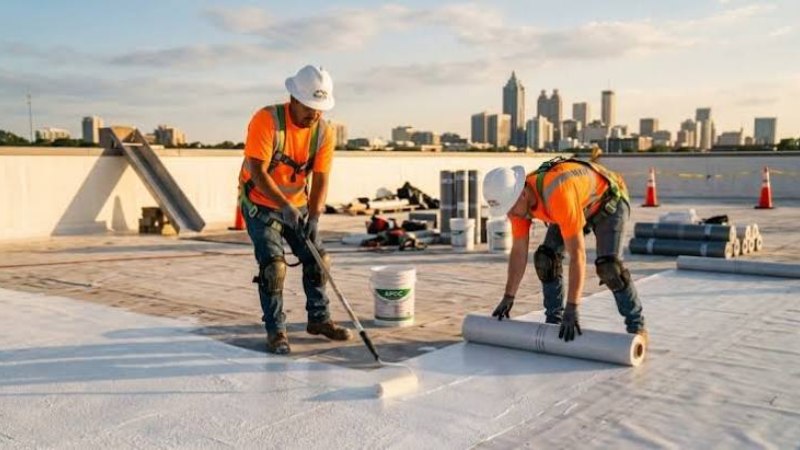
Replacing a commercial roof does not have to mean closing your doors. With the right plan, many businesses can keep serving customers while work takes place overhead.
Every site has different needs, from busy stores to warehouses with constant deliveries. A clear schedule, safe work zones, and communication can help limit disruption. Involve your operations team early so they can flag issues a roofing contractor might not see during a building inspection.
These steps can help you plan a replacement that protects your building and keeps daily work moving.
1. Start Planning Before the Roof Fails
An active leak can turn a planned project into an urgent problem. When you act before damage becomes severe, you have more time to compare options, arrange funding, and choose a suitable season.
Review past repair records and note areas that have leaked more than once. Ask a qualified contractor to assess the roof’s condition and estimate how much useful life remains. An inspection can help separate problems that need immediate attention from those that can be scheduled.
Set a target date based on your building’s needs, not only the contractor’s availability. Early planning gives tenants, employees, and suppliers time to adjust. Your team can also help spot risks that might affect deliveries, customer access, or staff schedules during each phase.
2. Assess the Roof and the Building Below
A commercial roof is more than its outer surface. Insulation, decking, drains, flashing, and equipment supports all affect how well it works. Hidden damage may change the scope once old materials are removed.
Ask for a written inspection report with photos of problem areas. Find out whether moisture testing or a closer look at the roof deck is needed. Your contractor should explain which layers can remain and which must be replaced.
Consider what happens inside the building as well. A warehouse with sensitive stock may need different protection from an office with open workspaces.
3. Build a Schedule Around Business Hours
The easiest way to limit downtime is to identify when the site is busiest. A retail store may need quiet mornings, while a distribution center may have heavy truck traffic early in the day.
Map out your weekly schedule before asking for a final work plan. Include opening hours, delivery windows, shift changes, and special events. Share dates when access to certain doors or areas is essential.
Some noisy tasks may be possible before opening, after closing, or on weekends. Other work may need daylight or favorable weather. Agree on realistic working hours rather than assuming the entire project can happen overnight.
4. Divide the Project Into Manageable Zones
Replacing the whole roof at once can create more disruption than necessary. On many buildings, crews can work in sections and keep other areas protected. This phased approach can help businesses continue using most of the site.
Ask the contractor to mark each work zone on a roof plan. Discuss how materials will be moved and how exposed areas will be secured at the end of each shift. Make sure water cannot enter an unfinished section if rain arrives.
Phasing requires careful coordination, and it may not fit every roof design. The installer should explain where temporary transitions are needed.
5. Choose a Contractor With Commercial Experience
Commercial roof replacement involves large surfaces, equipment, drainage systems, and active workplaces. Experience with occupied buildings can be just as important as experience with roofing materials. Ask potential contractors about projects where the business stayed open.
When speaking with the YTowns commercial roofing crew or another qualified provider, ask how they handle phased work and access restrictions. Request examples of similar buildings and find out who manages communication on site. Check licensing, insurance, and any credentials required for your location.
Compare written proposals rather than judging by price alone. Look for a clear scope, safety plan, schedule, and process for unexpected damage.
6. Pick Materials That Match Your Building
The right roofing system depends on roof slope, drainage, climate, and building use. Common commercial options include single-ply membranes, modified bitumen, and other systems designed for low-slope roofs. Each has different installation and maintenance needs.
Ask how the proposed material handles foot traffic, rooftop equipment, and local weather. Find out whether installation involves strong odors, open flames, or activities that could affect people indoors. These details matter when the building stays occupied.
Review insulation and energy goals at the same time. A replacement may offer a chance to improve thermal performance, but savings depend on the full roof assembly.
7. Plan Safe Access for Workers and Visitors
An open business site adds safety challenges to any roofing job. Customers may walk near entrances while trucks bring materials onto the property. Employees may also need access to loading docks and parking areas.
Before work starts, agree on separate routes for roofing crews and building users where possible. Mark ground-level work zones and keep people away from overhead hazards. Check how emergency exits and accessible entrances will remain usable.
Useful access details include:
- Designated crew entry points
- Protected customer walking routes
- Clearly marked work zones
- Safe material delivery areas
- Unblocked emergency exits
Review these arrangements with site managers before each new phase.
8. Coordinate Deliveries and Material Storage
Large roofing projects require rolls, boards, tools, and waste containers. If supplies arrive during your busiest period, they may block trucks or delay customers. Poor storage can also damage landscaping and paved areas.
Choose delivery times that avoid peak activity. Confirm which loading spaces the contractor may use and where materials can be stored securely. Plan for waste removal so debris does not build up around the site.
Ask whether the roof structure can support any planned material staging. Heavy loads must be assessed by qualified people, not placed wherever space appears available.
9. Protect Inventory, Equipment, and Indoor Spaces
Even a carefully managed replacement may involve vibration, dust, and brief exposure to weather. Businesses with food, electronics, records, or valuable stock should plan extra protection. Waiting until water enters the building is too late.
Identify sensitive areas beneath the work zones. Discuss temporary covers, dust control, and whether any stock should be moved. Tell the roofing team where electrical equipment and critical systems are located.
Assign someone inside the building to watch for unexpected changes. If a ceiling tile shifts or moisture appears, that person should know whom to call immediately.
10. Keep Rooftop Systems Running Safely
Commercial roofs often carry heating and cooling units, vents, pipes, and other equipment. Some systems need special access or temporary changes during roof work. Losing ventilation or power during business hours can cause real disruption.
List all rooftop equipment before the project begins. Ask the roofer to coordinate with your HVAC and electrical contractors when their work is needed. Never assume roofing crews can safely disconnect or move every system themselves.
Schedule any planned shutdowns for low-impact periods and tell affected teams in advance. Prepare an alternative for essential systems when practical.
11. Prepare for Noise, Odors, and Dust
A building may remain open while roofing work creates noise overhead. Cutting, fastening, and removing old materials can distract staff or make meetings difficult. Some installation products may also produce odors.
Ask the contractor which tasks are likely to be loud or disruptive. Place those tasks outside important meeting times when possible. Move calls, training, or quiet work to less affected rooms during active phases.
Check whether odors could enter through air intakes or open doors. The team should use suitable controls and follow product safety guidance.
12. Plan for Rain and Sudden Weather Changes
Weather can change a roofing schedule quickly. A sunny forecast does not remove the need to protect open roof sections. Strong wind may also make lifting materials unsafe.
Ask how the contractor will check forecasts and decide when work must pause. The daily plan should include how unfinished sections will be sealed before workers leave. Keep emergency contact details available for overnight problems.
Build extra days into your schedule rather than planning around perfect weather. A flexible timeline is often safer than rushing a crew to finish before rain.
13. Set Up Clear Communication Channels
Roofing work affects owners, facility managers, staff, tenants, and sometimes customers. Mixed messages can lead to blocked entrances, missed deliveries, or confusion about noise. A single communication process helps everyone stay informed.
Choose one contact from your business and one from the contractor. Agree on brief daily updates that cover the work zone, timing, safety changes, and any decisions needed. Share only the details each group needs to act on.
A daily update might cover:
- Today’s active roof section
- Expected noise and access changes
- Planned deliveries and pickups
- Possible weather-related delays
- Next day’s work schedule
Post updates where staff can find them easily. Tell tenants or customers about changes that affect their visit before those changes begin.
14. Budget for More Than Installation
A useful budget accounts for the roof and the business around it. The contract price may cover labor and materials but not every site need. Temporary storage, security, or special work hours can add costs.
Review the proposal for removal, disposal, permits, insulation, and roof deck repairs. Ask how unexpected damage will be priced and approved. Set aside a reserve rather than using every dollar for the original quote.
Consider the cost of disruption as well. If a delivery area must close for a morning, plan an alternative that keeps orders moving.
15. Confirm Permits, Inspections, and Warranties
Roof replacement may require permits or inspections, depending on local rules and project scope. Missing an approval can delay work or cause trouble later. Ask who is responsible for each step before the job starts.
Review product and workmanship warranties separately. Check what is covered, what is excluded, and which maintenance steps are required.
Keep permits, inspection records, invoices, and warranty documents in one place. Digital copies can make these files easier to share with property managers and maintenance staff in the future. These records support future repairs and help new facility managers understand the roof.
16. Check Quality Without Interrupting Work
You do not need to wait until the final day to ask how installation is going. Regular checks can catch issues while crews are still working in an area. The contractor should explain how quality is reviewed at each stage.
Ask about seam checks, flashing details, drainage, and protection around rooftop equipment. If independent inspections are part of your agreement, coordinate access early. Never send untrained staff onto an active work site to inspect progress.
Use photos and short review meetings to track completion. Record any changes to the original scope in writing.
17. Prepare a Backup Plan for Critical Operations
A no-downtime goal is useful, but no contractor can promise that every risk will disappear. Severe weather, hidden roof damage, or an urgent safety concern may force a temporary change. A backup plan helps your business respond quickly.
Identify activities that cannot stop, such as medical services, cold storage, or time-sensitive shipping. Decide how they could continue if one area became unavailable. Arrange contacts and backup locations before work begins, not during an emergency.
Make sure staff know who can approve changes to operations. A short decision chain can save time when conditions shift.
18. Finish With a Handover and Maintenance Plan
A completed roof should come with more than a final invoice. Ask for a walkthrough, photos, and a clear list of work completed. Confirm that drains are clear and materials have been removed from the property.
Request guidance on routine checks and care for the new roof. Learn which areas need special attention around equipment and roof openings. Record who to contact if a problem appears after the crew leaves.
Set dates for future inspections and keep maintenance records together. This makes the roof easier to manage long after the replacement ends.
Keep Your Business Moving While the Roof Changes
Commercial roof replacement works best when roofing plans and business plans support each other. Early inspections, phased work, safe access, and clear updates can help reduce disruption without cutting corners. They also give staff and customers a better experience during construction.
Start by identifying your busiest areas and the systems you cannot afford to lose. Then work with a qualified contractor to build a realistic plan. For more practical commercial property care and roofing advice, explore our other blog posts.