
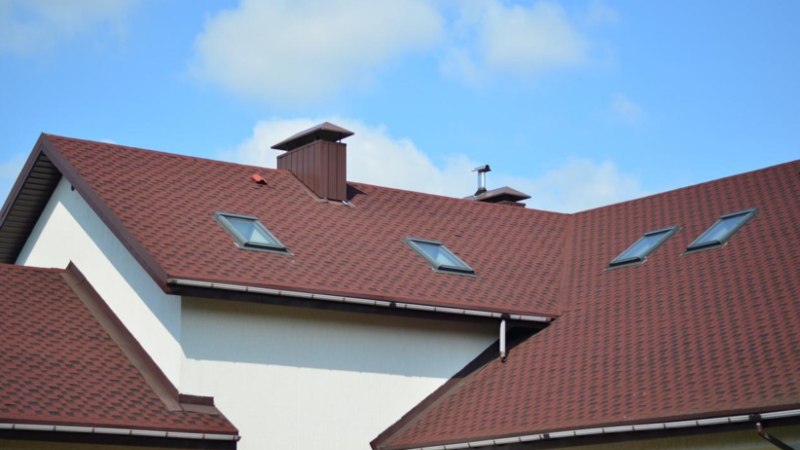
Picking new roof shingles shapes how well your house handles storms, heat, and daily wear for decades. Both 3-tab and architectural asphalt shingles guard your home from rain and wind. Learning how each style works helps you pick the best roof for your budget and house.
How Asphalt Shingles Protect Your Home
Asphalt shingles remain the top roof pick for houses across North America. Makers build each strip on a tough fiberglass base coated with thick waterproof asphalt. Crushed rock granules on top block harsh sun rays, add color, and shield the asphalt core.
Across the country, 85% of the roofing business focuses on replacing roofs on existing homes rather than new builds. Most owners stick with asphalt during a re-roof since crews know the product well. Knowing the 2 main asphalt styles keeps you from paying too much or picking a weak roof.
A complete asphalt roof system relies on more than outer shingles alone. Ice barriers, felt underlayment, and metal flashing work together beneath the tabs to block leaks. Picking the right shingle style completes that shield and keeps your attic dry year-round.
Understanding 3-Tab Shingles and Architectural Shingles
Classic 3-tab shingles get their name from the 3 even slots cut along the bottom edge. When nailed in neat rows, those slots form a clean grid pattern like small bricks. Each strip uses 1 thin layer of fiberglass and asphalt, keeping the shingle light and flat.
Homeowners across Indianapolis and central Indiana face sharp temperature swings, heavy spring rain, and strong windstorms every year. Planning a timely shingle roof replacement in Indianapolis helps shield your house from water damage before small leaks turn into costly wood repairs. Picking the right shingle style during that job sets your roof up for steady protection in every season.
Architectural shingles – often called dimensional or laminate shingles – use a thicker multi-layer build. Makers fuse 2 or more layers of asphalt with strong glue to form raised tabs. That layered shape creates deep shadow lines that look like real wood shake or cut stone.
Size, Thickness, and Weight Differences
Shingle size affects how each strip lies on your roof deck and resists wind lift. Standard 3-tab shingles from major brands like Owens Corning and GAF measure 12 by 36 inches, whereas their architectural shingles measure 13 1/4 by 39 3/8 inches. That larger size gives dimensional strips a wider nail zone and bigger overlap.
Weight and thickness separate these 2 choices even more once bundles reach your yard. A roofing square covers 100 square feet, and 3-tab strips weigh about 180 to 200 pounds per square. By contrast, 1 square of architectural shingles weighs 240 to 350 pounds.
Heavier shingles stay pressed flat against the wood deck during wild weather and heat waves. Thin single-layer tabs bend and scuff fast when crews walk on them in hot summer sun. Extra body helps layered shingles fight curling, cupping, and edge cracks over 20 or 30 years.
Wind Resistance and Storm Durability
Strong storms test every nail, glue strip, and shingle edge across your roof slope. Architectural shingles can withstand wind speeds up to 120 mph, compared to 3-tab shingles that carry a top wind rating of up to 60 mph. That 60 mph gap matters in towns hit by spring squalls and fast summer gusts.
Wind damage starts when strong gusts slip under the loose bottom edge of a flat shingle tab. Once wind snaps the tar seal strip, rain blows under the shingle and soaks the wood deck. Layered shingles fight wind lift with heavy edges, wide tar bands, and thick nail zones.
Hail and falling tree limbs bring another big risk during rough storms. Multiple layers of dense asphalt absorb hard hits better than 1 thin fiberglass sheet. Many dimensional lines earn Class 3 or Class 4 impact scores, which helps cut granule loss and lower insurance bills.
Expected Lifespan and Long-Term Performance
How long a roof lasts rests on shingle thickness, attic airflow, local weather, and crew skill. Checking the service life of both shingle styles helps you judge true cost per year.
3-Tab Shingle Longevity
Most 3-tab roofs last 15 to 20 years under normal outdoor conditions. Hot summer sun dries out thin asphalt layers fast, making flat tabs turn brittle and shed granules. In cold towns with harsh freeze-thaw swings, single-layer tabs often curl near year 12 or 15.
Architectural Shingle Longevity
Architectural shingles last 25 to 30 years in most climates, and heavy designer lines can reach 40 years. Thick asphalt layers slow down sun wear and grip their rock granules far longer. Paying more upfront often saves you from buying a 2nd full roof tear-off later on.
Upfront Material and Installation Costs
Price often shapes the first talk between homeowners and local roofers. Basic 3-tab shingles cost less per bundle since factories use less asphalt and a fast 1-layer cutting line. On a plain gable roof, picking 3-tab strips can cut initial supply bills by 15% to 25%.
Labor rates show a smaller gap than most owners guess at first glance. Crews still tear off old layers, check the wood deck, and roll out underlayment for either style. Layered shingles weigh more to haul up ladders, though their staggered layout goes down fast.
Extra trim parts can narrow the final price gap even more. Picking dimensional shingles calls for thick ridge cap strips and heavy starter rows along the eaves. Asking your roofer for clear, line-by-line bids lets you see the exact $ difference for your house.
Curb Appeal and Architectural Style Matching
Your roof makes up roughly 40% to 50% of your home’s street view. Flat 3-tab strips form a neat brick pattern that suits older ranch homes and small cottages. Historic bungalows built in the early 1900s often look true to their era with flat roof lines.
Architectural shingles bring bold depth, staggered shadow bands, and rich color blends to modern homes. Craftsman, Colonial, Tudor, and multi-gable houses shine when topped with strips that echo cedar shake or slate. Real estate agents note that a textured roof gives an older home exterior a fast visual boost.
Color choices run much wider in dimensional shingle lines too. Factories blend 3 to 5 rock granule shades onto 1 strip, creating rich contrast that hides dust. Flat 3-tab shingles use plain color mixes that show uneven roof boards much faster.
Warranty Coverage and Manufacturer Protection
Roof warranties guard your wallet against factory flaws, early granule loss, and sudden wind blow-offs. Standard 3-tab shingles come with 20-year or 25-year limited plans with short full-coverage windows. Once that early window ends, the maker pays a smaller share of supply costs and drops labor pay.
Architectural shingles offer 30-year to limited lifetime plans with much stronger upfront terms. Many top dimensional lines include 10-year to 15-year full-coverage periods for new shingles and crew labor. Algae-guard warranties run longer on layered shingles too, stopping black streaks caused by damp air.
Reading the warranty terms keeps you safe from costly surprises later. High-wind coverage almost always requires crews to drive 6 nails per strip and use matching ridge parts. Hiring a certified roofer unlocks upgraded system coverage that basic crews cannot sell.
Roof Pitch, Ventilation, and Structural Readiness
Every roof frame has physical limits that shape which shingle works best. Checking roof slope, wood deck boards, and attic air vents before ordering bundles keeps your warranty intact.
Checking Roof Deck Strength
Asphalt shingles need a firm, dry wood base made of plywood or oriented strand board. That wood deck should measure at least 7/16 inch thick to hold roofing nails tight. Fixing weak boards during a tear-off stops sagging valleys and loose nails down the road.
Balancing Attic Airflow
Trapped attic heat bakes shingles from below and cuts the life of any asphalt roof short. Open intake vents under the eaves and exhaust vents along the peak keep fresh air flowing. Steady airflow stops winter ice dams from building up and keeps shingle glue strips from melting in July.
Mind Your Roof Slope
Steep roofs shed rain fast and work well with both shingle types. Low-slope roofs under a 4:12 pitch need extra underlayment layers to stop wind-driven water leaks. Most shingle makers void warranties on very flat roofs below a 2:12 pitch, so check angles first.
Plan for Old Layer Tear-Offs
Adding heavy architectural shingles over 2 old roof layers puts extra strain on your rafters. Tearing off worn shingles down to bare wood lets crews spot rot and lay flat starter rows. Most local building codes cap roofs at 2 shingle layers, so a clean tear-off keeps your home safe and legal.
Maintenance Needs and Repair Simplicity
Simple seasonal care keeps small roof flaws from turning into wet ceiling stains. Both shingle types stay healthy longer when you follow a few quick habits each year.
- Clear dead leaves, pine needles, and sticks from roof valleys and gutters every spring and fall.
- Trim tree limbs at least 6 feet back from your roof edge to stop scraping and moss growth.
- Check metal flashing around chimneys, skylights, and roof vents right after heavy windstorms.
- Look at attic boards with a flashlight after hard rain to spot damp wood or rusty nail tips early.
When localized wind damage hits, 3-tab shingles are a bit easier to swap out. A roofer can lift the flat tabs above a torn strip, pull 4 nails, and slide a new piece in. Dimensional shingles grip tight across wide glue bands, so crews must pry with care during repairs.
Matching colors during a mid-life patch brings a different challenge for each style. Plain 3-tab colors fade fast under bright sun, making a new repair tab stand out like a dark square. Blended granule tones on layered shingles hide new patch strips better against older roof rows.
Adding metal valley flashing and ice shields during installation cuts future repair needs for both styles. Water moves fastest through roof valleys, so clean metal channels keep shingles from wearing thin. Regular gutter care stops standing water from backing up under the bottom row of tabs.
Resale Value and Homeowner Priorities
Your plans for the house should guide how much $ you put into a new roof. Rental owners or short-term sellers often pick 3-tab strips for code-safe shelter at a lower entry cost. Home inspectors pass new 3-tab roofs with no trouble when crews install solid underlayment and flashing.
Owners who stay put for 10 years or more get far better value from architectural shingles. Spreading that modest upfront price gap across 25 or 30 years drops your yearly roof cost. House hunters touring move-in-ready homes view dimensional roofs as proof of good care.
Insurance rules are shifting fast in wind-prone and hail-prone states across the country. Many insurers give sharp rate cuts for impact-rated dimensional roofs. Calling your insurance agent before signing a work order can reveal yearly savings that help pay for the upgrade.
Timing your roof project during spring or fall can help your budget too. Roofing crews stay busiest in late summer, so booking early often brings faster scheduling and smoother work days. Warm, mild weather helps new shingle glue strips seal down tight against the roof deck.
Key Questions to Ask Before Choosing Your Shingles
- Comparing roofer quotes gets much simpler when you weigh your house against a short checklist. Look over these 4 practical points before picking your shingle bundles.
- How long will you own the home? Short-term sellers favor lower upfront prices, whereas long-term owners save more with a 30-year roof.
- What storms hit your area most? High winds above 60 mph or yearly hailstorms call for thick layered shingles.
- Does your roof have steep slopes or dormers? Complex roof shapes show off the rich shadow lines of dimensional shingles best.
- Do neighborhood rules apply? Many local boards require architectural shingles to keep street curb appeal high.
Getting 2 or 3 written quotes from licensed roofers gives you a clear view of material choices and warranty plans. Ask each crew to bring sample boards so you can check granule colors in daylight next to your siding. Saving extra sample strips in your garage helps match colors if you need a small storm repair later.
Making the Smartest Choice for Your Roof
Picking between 3-tab and architectural shingles comes down to weighing upfront savings against storm strength and curb appeal. Flat 3-tab strips fit tight budgets and simple rooflines well, whereas layered shingles give you higher wind ratings and longer life. Schedule a roof inspection with a trusted local roofer today to compare shingle samples and get a clear quote.
Before you order bundles, check your attic airflow, read warranty terms, and weigh written bids side by side. Viewing full shingle samples in daylight helps you pick a shade and texture that suits your siding.
If you’d like to learn more, check out more articles on our blog.