
Have you ever wondered why some homes look fresh, modern, and inviting while others seem old and worn? Your roof and siding play a big part in how people see your home. These features do more than protect your house from rain, wind, and heat.
They also shape its style, value, and overall look. With the right roofing choices and siding updates, you can give your property a fresh new feel. Discover seven smart roof and siding upgrades that improve your home’s beauty, add lasting value, and help create a great first impression.
1. Choose A Modern Roofing Style
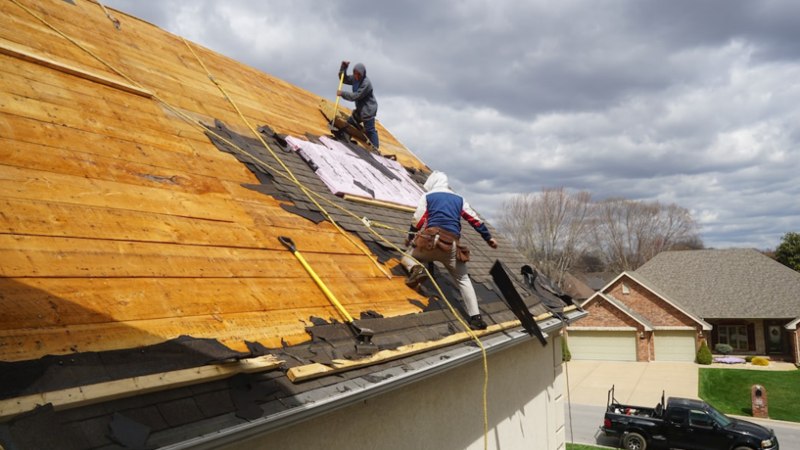
Your roof covers a large part of your home, so its design can change the way your property looks. Old, faded, or damaged shingles can make even a well-kept house look tired. Choosing a fresh roofing style is a simple way to give your home a cleaner and more modern look.
Modern roofing comes in many colors, shapes, and materials that suit different home styles. Dark gray and black shingles can give a home a clean and bold look, while brown and soft gray shades create a warm feel. You can also choose a roof design that matches your siding, windows, and other outdoor features.
When planning a residential roof replacement, think about both beauty and strength. Asphalt shingles are a common choice because they come in many styles and are easy to match with different home designs. Metal roofing can also give your property a fresh look while offering long service life when properly installed and cared for.
2. Refresh Your Siding With New Colors
Siding covers much of your home’s outer walls, making it one of the first things people notice. Faded paint, stains, and cracked panels can take away from your property’s beauty. A fresh color can make the whole house look cleaner, brighter, and more welcoming.
Light shades like cream, white, and pale gray can make a home look open and fresh. Darker colors, such as navy blue and charcoal, can create a strong look when paired with lighter trim. Before choosing a shade, look at your roof color and nearby homes to make sure the new design feels balanced.
A siding installation project also gives you a chance to improve the look of worn walls. Vinyl siding offers many colors and styles, while fiber cement can create the look of wood with a different level of care. Choose a finish that suits your home and works well with the local weather.
3. Match Your Roof And Siding Colors
A beautiful home often has colors that work well together rather than compete for attention. Your roof and siding should create one clear look that feels neat and balanced. When these two large features match, they can help boost home curb appeal without making major changes to the rest of your property.
Start by choosing one main color for your siding, then select a roof shade that supports it. For example, a light gray home can look great with a dark roof, while warm beige siding may pair well with brown shingles. You can also use small color samples to see how the shades look in sunlight and shade.
Do not forget the role of trim, doors, and window frames in your home’s design. White trim can make dark siding stand out, while black frames can add a clean and modern touch. Keeping these colors in harmony helps your home look planned, cared for, and attractive from the street.
4. Add Texture And Detail To Exterior Walls
Plain walls can make a home look flat, even when the roof and yard are in good shape. Adding texture to your siding can create more depth and give your property a fresh style. Small design changes can make a big difference without changing the whole shape of your house.
Board and batten siding is a popular choice for homeowners who want a clean look with strong lines. Its raised strips add depth to flat walls and can work well on both modern and classic homes. Shingle-style siding can also add charm, especially when used on small areas such as front peaks or entry walls.
You can also mix two siding styles to give your home more visual interest. For example, smooth panels may work well on the main walls, while wood-look siding can highlight the front entrance. The key is to use each finish with care so the home looks balanced instead of crowded.
5. Replace Damaged Roofing And Siding
Small signs of damage can have a big effect on your home’s appearance. Missing shingles, loose panels, peeling paint, and dark stains can make your exterior look poorly cared for. Fixing these issues helps restore a clean look while also protecting your home from further harm.
A damaged roof can allow water to enter your attic, walls, or ceilings. Cracked or loose siding may also let rain and pests reach areas that should stay sealed. If you notice these problems, ask a skilled contractor to inspect the damage and explain the best repair or replacement plan.
Working with trusted local experts can make your home exterior renovation easier and safer. Homeowners looking for roof care in the area can speak with Hurricane, WV roofers about their needs and possible project options. A qualified team can check roof damage, explain suitable materials, and help you choose work that fits your home’s design and condition.
6. Upgrade Your Roof Edges And Siding Trim
Roof edges and siding trim may seem like small details, but they help shape your home’s full appearance. Worn edges, broken boards, and faded trim can make a new roof or fresh siding look unfinished. Updating these parts gives your exterior a neat look and helps connect the main design features.
Fascia boards sit along the roof edge and help support the gutter system. Soffits cover the area beneath the roof overhang and can help air move through the attic when designed with proper vents. Clean, well-kept fascia and soffits give your roofline a finished look while serving useful roles around your home.
Window and door trim can also improve the way your siding looks. Wider trim can frame windows and create clear lines, while simple trim works well with a clean modern design. Choose colors and finishes that match your roof and siding so every part of your exterior feels connected.
7. Improve Roof And Siding Details For Lasting Value
Good exterior upgrades should do more than make your home look nice for a short time. They should also help protect the structure and reduce the need for frequent repairs. Choosing strong materials and proper installation can help your home stay attractive through changing weather.
When comparing roof and siding upgrades, look at the expected life, care needs, and cost of each option. Some materials may cost more at first but need less care over time. Ask contractors about product warranties, installation methods, and how each choice will perform in your local climate.
A well-planned exterior can also make your property more appealing to future buyers. Many people notice the roof, siding, and overall condition of a home before they look at the inside. By investing in quality materials and timely repairs, you can support resale value while making your home more enjoyable today.
Plan Your Exterior Upgrades With A Clear Design
A successful exterior makeover starts with a clear plan for the changes you want to make. Look at your home’s current roof, siding, and outdoor features to see which areas need the most attention. This helps you focus your budget on upgrades that will bring the best results.
Consider how each new material will look beside your home’s windows, doors, porch, and driveway. You can collect photos of homes with styles you like to help guide your design choices. Sharing these ideas with a contractor can also make it easier to choose colors, finishes, and materials that work well together.
It is also helpful to plan the order of each project before work begins. For example, roof repairs or replacement may need to come before new siding is installed. A clear schedule helps prevent extra work, protects new materials, and keeps your home exterior renovation on track.
Install Energy-Efficient Roofing And Siding
Energy-efficient materials can improve your home’s comfort while giving its exterior a fresh look. Some roofing products reflect more sunlight, which can help reduce heat inside your home. This can make a difference during hot months and may help lower cooling costs.
Insulated siding can also help keep indoor temperatures more stable throughout the year. It adds another layer to your exterior walls and may help reduce heat loss during cold weather. Choose materials that suit your local climate and meet your home’s insulation needs.
Before starting the project, ask a contractor which energy-saving options work best for your property. Some roofing materials have special coatings that help reflect sunlight and limit heat buildup. Combining these products with well-fitted siding can improve comfort while adding value to your home.
Add Attractive Roof And Siding Accents
Small accents can give your home more character without changing its entire exterior. Decorative roof features, such as dormers and gable details, can add depth and make the roofline more appealing. These features work best when they match the home’s size and overall design.
You can also use siding accents to highlight certain parts of your house. A different siding shade around the entrance or upper walls can create a clear focal point. Stone-look panels or wood-style details can add warmth and make plain exterior walls more interesting.
Keep decorative features simple so they do not take attention away from the main design. Choose colors and materials that blend well with your roof, siding, and trim. With careful planning, these finishing touches can give your home a more polished look and help it stand out for the right reasons.
Choose Durable Siding Materials For Better Protection
The material you choose for your siding can affect how your home looks and how well it handles daily weather. Some options can resist moisture, strong winds, and damage from small impacts. Choosing a durable finish helps keep your exterior looking good with less need for repairs.
Fiber cement siding is a strong option for homeowners who want a clean look and lasting performance. It can copy the look of wood while offering good resistance to rot, insects, and fire. Engineered wood siding is another choice that brings natural warmth and can suit many home styles.
Before choosing a material, compare its cost, care needs, and expected life. Ask about its ability to handle rain, heat, and other weather in your area. A well-made siding system can protect your walls and keep your home looking fresh for many years.
Improve Roof Ventilation And Drainage
Good roof ventilation and drainage help protect your home while keeping its exterior in good shape. Poor airflow can trap heat and moisture in the attic, which may lead to damage over time. Adding proper vents can help air move through this space and support a healthier roof system.
Your gutters also play an important role in moving rainwater away from the roof and walls. Clogged or damaged gutters can cause water to spill onto siding, stain exterior walls, and harm nearby areas. Installing clean, well-sized gutters can give your roofline a neat finish while helping prevent water damage.
Downspouts should also direct water away from your home’s base to reduce the risk of moisture problems. Choose gutter colors that match your roof, trim, or siding for a more polished look. With proper airflow and drainage, your exterior can stay cleaner, stronger, and more attractive.
Give Your Home A Fresh Look That Lasts
A home with a clean roof and fresh siding can make a strong first impression. The right roofing materials, colors, and finishes can also help protect your property and support its value. Start by checking the condition of your exterior, then choose updates that match your style and budget.
Work with skilled contractors to make sure each change is safe, strong, and well planned. Even small improvements can bring a big change when they work together. With smart choices, your home can look better and stay protected for years.
Did this guide help you? Browse the rest of this section for more advice on a variety of topics.