
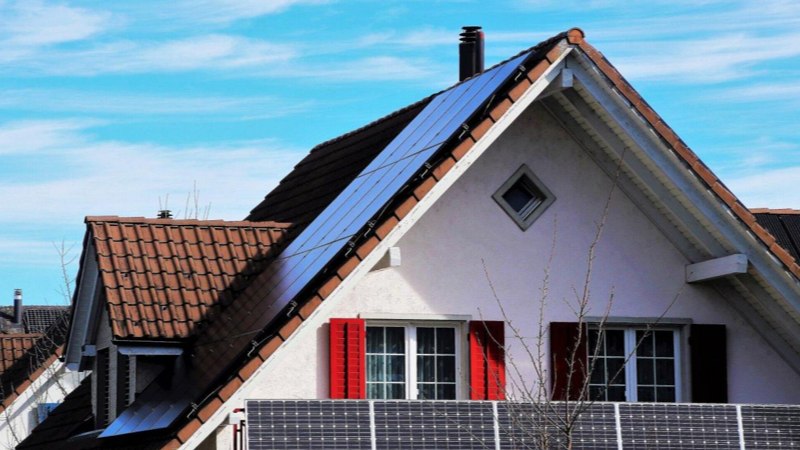
A new roof can do more than give your house a fresh look. It can also change how heat moves through the top of your home. When roofing materials, insulation, and ventilation work together, your heating and cooling system may have less work to do.
That does not mean every new roof will lower energy bills. Results depend on climate, roof design, and work beneath the shingles. Knowing where efficiency gains come from helps you make smarter choices before a replacement begins.
Continue reading to discover everything you need to know!
Understand How Your Roof Affects Indoor Comfort
Your roof takes the full force of sunlight, rain, and changing outdoor temperatures. On a hot day, its surface can absorb heat that moves toward the attic. If that heat enters the living space, your air conditioner may need to run longer.
During cooler weather, warm indoor air can also escape through gaps near the ceiling. A roof replacement offers a chance to inspect parts of the system that are usually hidden. The goal is to limit unwanted heat movement while keeping moisture under control.
Think of the roof as part of a larger shell around your home. Its performance depends on insulation, air sealing, ventilation, and the material you see from outside. Improving only one layer may leave other problems in place.
Check the Old Roof Before Choosing Materials
Energy upgrades should begin with an inspection, not a color chart. A contractor can look for worn shingles, damaged flashing, poor drainage, and signs of trapped moisture. Those problems may affect both roof life and indoor comfort.
Ask whether the roof deck is in good condition and whether any areas need repair. Water-damaged wood should not be hidden beneath new roofing materials. Correcting these problems early may prevent more costly work later.
Tell your contractor about rooms that feel unusually hot or cold. Share details about high energy bills, drafts, and past leaks. This helps the team spot other needs.
Choose Roofing Materials With Heat in Mind
Different roof surfaces respond to sunlight in different ways. Some absorb more solar heat, while others reflect a greater share of it. That difference can affect roof temperature during bright summer afternoons.
Reflective roofing products, sometimes called cool roofs, may help reduce heat gain in suitable homes. Their benefits depend on local weather, attic conditions, and the roofing system. Reflective products are not always the best choice for every building.
Compare more than appearance when selecting shingles or other materials. Ask about product ratings, expected service life, and maintenance needs. A durable roof that suits the house can offer value beyond possible energy savings.
Know What Roof Color Can and Cannot Do
Light-colored surfaces often reflect more sunlight than darker ones, but color alone does not tell the full story. Two products with similar colors may have different reflective properties. Special coatings and material design can change how a roof handles heat.
A lighter roof may make sense for a home exposed to strong sun. Still, nearby trees, attic insulation, and ventilation can shape the result. The safest approach is to compare tested product information rather than guess from a sample.
Also think about how the roof will look with your siding and trim. Your home can stay stylish and efficient. Ask for samples you can view outdoors at different times of day.
Improve Attic Insulation at the Right Time
Insulation slows heat movement between your living space and the attic. If the attic floor has too little insulation, a new roof covering may not solve comfort problems. Summer heat can still reach rooms below, while warmth can escape in winter.
A replacement project is a useful time to check insulation levels and condition. Wet, crushed, or missing insulation may need attention. An installer can recommend amounts suited to local requirements.
More insulation is not always better if other problems remain. Air leaks and moisture issues should be addressed as part of the plan. Proper installation matters just as much as the material chosen.
Seal Air Leaks Before They Waste Energy
Tiny gaps around ceiling lights, attic hatches, and pipes can let conditioned air move into the attic. This can increase heating and cooling demand even when the roof looks perfect. It may also carry moisture into spaces that should stay dry.
Air sealing often belongs near the top of an efficiency checklist. Ask about safe treatment of gaps around wiring, ducts, and other openings. Some areas require special fire or ventilation precautions, so the work should follow applicable guidance.
A roofer may not handle every part of this job. Coordination with an insulation or home energy professional can help avoid missed gaps. Combining the right tasks may give better results than changing roof materials alone.
Balance Attic Ventilation With Air Sealing
Ventilation helps manage heat and moisture in many vented attic designs. Soffit vents and roof vents can help outdoor air move through the space when they are properly sized and placed. Blocked or poorly arranged vents may reduce that benefit.
Yet adding more vents without a plan can cause problems. Some homes have sealed or conditioned attics that need a different approach. The correct design depends on how the roof assembly was built.
Ask the contractor to check existing vents before replacing the roof. Make sure insulation will not block intended airflow. A balanced system should support the home’s moisture and temperature needs, not rely on guesswork.
Understand Buford’s Seasonal Roofing Demands
Buford, Georgia, has hot, humid summers and cooler weather during part of the year. Homes may need strong cooling performance for months, but winter comfort still matters. Humidity adds another reason to manage moisture carefully.
When speaking with Bufords local roofing team or comparing other local contractors, ask how the proposed roof will perform in this climate. Discuss shade, sun exposure, attic design, and storm resistance. A recommendation should fit your home rather than follow a single formula.
Local experience may help with material selection and installation timing. However, the best advice should still be backed by a thorough inspection. Your actual roof conditions matter more than broad claims about regional savings.
Protect the Roof Deck From Moisture
A dry, sound roof deck helps support the layers above it. Moisture can weaken wood, harm insulation, and create indoor air concerns. Replacing shingles without fixing a leak may leave the house with the same problem.
During tear-off, contractors can often see damage that was hidden beneath old materials. Ask how they will document any soft or stained sections. Agree on a process for approving unexpected repairs before work begins.
Good flashing and properly installed underlayment also help direct water away. These details help protect the roof. Keeping water out supports the performance of insulation and other materials below.
Review Ductwork and Attic Equipment
Some houses have heating and cooling ducts running through an unconditioned attic. Leaky or poorly insulated ducts can lose cooled or heated air before it reaches your rooms. A roof replacement alone will not correct those losses.
If your attic contains ducts, ask an HVAC professional whether they need sealing or insulation. Check for crushed sections, loose connections, and signs of condensation. These issues may be easier to address while other attic work is planned.
Do not assume rooftop or attic equipment can be moved by a roofing crew. Any changes to electrical or mechanical systems need the right professionals. A coordinated plan can improve comfort without creating new safety risks.
Consider Skylights and Roof Windows Carefully
Skylights bring daylight into a room and can make spaces feel more open. But older units or poor seals may allow unwanted heat gain, heat loss, or water leaks. Replacing the roof is a chance to inspect their condition.
Modern glazing and suitable shading may improve comfort in some installations. The direction the skylight faces and the amount of direct sun both matter. Ask how a product’s energy rating relates to your climate and roof design.
If you plan to add a skylight, consider the whole room rather than daylight alone. A poorly placed opening may increase glare or summer heat.
Look at Ventilation and Insulation Together
It is tempting to treat each roofing upgrade as a separate purchase. Yet insulation, air sealing, and ventilation can affect one another. For example, blocked soffit vents may prevent a vented attic from working as intended.
Ask the project team to explain how the layers will function after the work is complete. Get clear answers about where air should flow and where it should not. A diagram or simple written description can help you understand the plan.
This also supports future upkeep. You will know which openings must stay clear and where insulation should remain in place. Small details are easier to protect when they are recorded from the start.
Compare Project Costs With Realistic Savings
An energy-focused roof replacement is still a large home project. Some upgrades add to the price, and the savings may take years to build. Your utility bills alone cannot show whether an expensive material will pay for itself.
Ask for itemized estimates and compare the cost of different choices. Consider roof life, maintenance, comfort, and water protection alongside possible energy savings. Be careful with any promise of a fixed percentage reduction in bills.
A home energy assessment may help identify the most useful improvements. It can reveal whether attic insulation or air sealing deserves attention before a premium roofing product. Spending in the right order can protect your budget.
Ask Better Questions Before Signing a Contract
The quality of installation affects how well a roof performs. Even strong materials can fail early if flashing, edges, or vents are handled poorly. Clear questions can help you compare contractors with confidence.
Before choosing a company, ask about:
- Roof inspection findings
- Material performance ratings
- Insulation and ventilation plans
- Permits and warranty terms
- Cleanup and final checks
Request a written scope that separates roofing work from other home upgrades. Confirm who will handle any insulation, duct, or air sealing tasks. A clear agreement helps keep costs and responsibilities easy to follow.
Prepare Your Home for Installation Day
Roof replacement brings noise, workers, deliveries, and debris. A little preparation helps protect your property and makes the project easier to manage. Ask about the schedule before the first materials arrive.
Move cars away from work areas and protect items stored near the house. Secure delicate objects that may shift with vibration, and keep children and pets away from active work zones. Your contractor should explain how entrances and paths will stay safe.
Keep an eye on the weather forecast with the project manager. Ask how exposed areas will be covered if rain is expected. Planning helps protect the house.
Check the Finished Roof and Track Results
When the job is complete, ask for a final walkthrough. Confirm that vents, flashing, gutters, and roof openings have been checked. Keep product details, warranties, permits, and photos with your home records.
Then watch your indoor comfort over the coming seasons. Notice whether rooms feel more even in temperature and whether the cooling system runs differently. Compare utility use only after allowing for weather, rates, and changes in household habits.
A simple home maintenance log can include:
- Seasonal attic checks
- Gutter cleaning dates
- Roof inspection notes
- Energy bill comparisons
- Repair and warranty records
Keep the roof free of debris and arrange inspections when damage is suspected. Regular care helps protect the work you paid for. It also makes changes easier to spot before they become costly.
Explore Energy Rebates and Available Incentives
Some energy upgrades may qualify for rebates, tax credits, or local incentive programs. These benefits can help reduce the cost of improvements, but eligibility depends on the materials, installation date, and current program rules. A standard roof replacement does not automatically qualify for financial support.
Before starting your project, check available programs through your utility provider and local authorities. Ask your contractor for product specifications and keep all invoices and installation records. Reviewing these options early can help you plan your budget and avoid missing potential savings.
Make Your New Roof Work Harder for Your Home
A roof replacement can improve energy efficiency, but its biggest value comes from a well-planned system. Reflective materials may help with summer heat, while insulation and air sealing can reduce unwanted heat movement. Ventilation and moisture control complete the picture.
Start with an inspection and choose upgrades that carefully match your home’s needs. For more roofing advice, maintenance tips, and practical ways to improve your home, explore our other blog posts.