
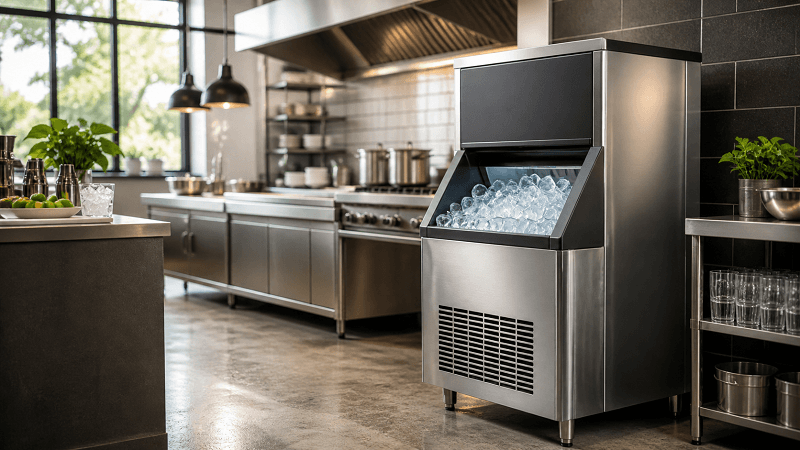
A reliable ice supply is one of those things most diners never think about, but every restaurant operator does. Whether you manage a packed cocktail bar, a neighborhood diner, or a high-volume kitchen, a freestanding ice machine keeps your service moving in ways that few other pieces of equipment can match. With dozens of models spread across multiple ice types and output ranges, though, narrowing the field to the right unit takes some real thought. Working through the right questions before spending a dollar will save you from a costly mistake down the road.
Variables Worth Examining Before You Commit
Stepping back to assess what your specific operation actually needs each day is a smarter starting point than browsing product listings. Not every machine fits every environment, and buying the wrong capacity or ice type can drain money and slow down service. Once you get clear on the main variables, the path to the right unit gets a lot shorter.
Output Volume, Ice Style, and Bin Size
Daily production, measured in pounds per 24 hours, is the first number that deserves your attention. A small café might get by on 100 to 200 pounds per day, while a busy bar or full-service restaurant can burn through 500 pounds or more without blinking. A widely used rule of thumb in foodservice circles calls for calculating 1.5 pounds of ice per restaurant seat per day for combined food and beverage needs, then padding that number by at least 20% to cover peak rushes, seasonal swings, and unexpected demand.
Ice style is just as consequential as volume. Cube ice remains the most flexible choice, working well across beverages, food displays, and general kitchen tasks. Nugget ice, sometimes referred to as pellet or chewable ice, has grown in popularity at casual dining spots and healthcare facilities because it soaks up drinks fast and is gentler to chew. Flake ice suits seafood displays and salad bars particularly well, since it packs around products without bruising them. A clear picture of how your restaurant primarily consumes ice will steer you toward the right style without any guesswork.
Storage capacity and production rate are two separate figures that both matter. A machine that churns out 400 pounds per day may only hold 150 pounds at once. When your service rushes arrive in concentrated windows, you need enough reserve ice to meet demand without the machine falling behind. Match the bin capacity to your highest-demand window rather than your average daily use. To browse a curated selection of units built for professional kitchens, you can click this source to buy commercial freestanding ice maker options that span a wide range of output and storage configurations.
Installation, Upkeep, and the True Cost of Ownership
A freestanding ice machine is not something you simply roll into position and plug in, at least not in most restaurant settings. Real infrastructure requirements come with the territory, and overlooking them before purchase tends to produce expensive surprises. Beyond the purchase price, the ongoing cost of running the machine belongs in your budget math from the beginning.
Utilities, Clearance, and Spatial Needs
Most commercial freestanding ice makers call for a dedicated water line, a floor drain, and a power connection that meets precise voltage and amperage requirements. Larger units often need a 208-240V outlet, which may mean hiring an electrician if your kitchen lacks that infrastructure. Air-cooled machines require several inches of open clearance on all sides to expel heat properly. Water-cooled models perform better in hot environments but need a continuous water supply and can push water utility costs upward. Before buying, measure your available floor space carefully and confirm that your existing utility setup can actually support the unit you are considering.
Keeping the Machine Clean and Running Reliably
Regular attention is non-negotiable for both sanitation and performance. Most manufacturers call for a full cleaning cycle every three to six months, though kitchens in hard-water regions may need to clean more often to stay ahead of scale deposits. That process generally means flushing the system, descaling the evaporator, and sanitizing the bin. Certain models come with self-cleaning functions or auto-alert features that take much of the effort out of the process. Skipping maintenance invites equipment failure and, more seriously, health code violations that carry real consequences for any food service operation. Set a maintenance schedule from the day the machine is installed and stick to it.
Weighing Energy and Water Consumption Over Time
The purchase price of a commercial freestanding ice maker represents only one slice of what you will spend. Energy draw varies considerably across models, and a unit that pulls considerably more power can tack hundreds of dollars onto your monthly utility bill. Machines that carry an energy performance certification from a well-known certification body have cleared tested benchmarks for reduced electricity and water use. Water-cooled units tend to consume more water but less electricity; air-cooled models reverse that tradeoff. Across a three-to-five-year ownership window, a more capable model often recoups its price premium through lower operating costs. Run those numbers against your local utility rates and expected daily usage before you finalize any comparison.
Conclusion
Matching output capacity and ice style to your actual service demands, then accounting for installation requirements, maintenance commitments, and operating costs, is what separates a smart purchase from a frustrating one. Resist the pull toward the cheapest or most popular model and spend time on each of these factors instead. The right machine will run quietly in the background for years, and that kind of dependable, consistent performance is exactly what the upfront research is meant to secure.