
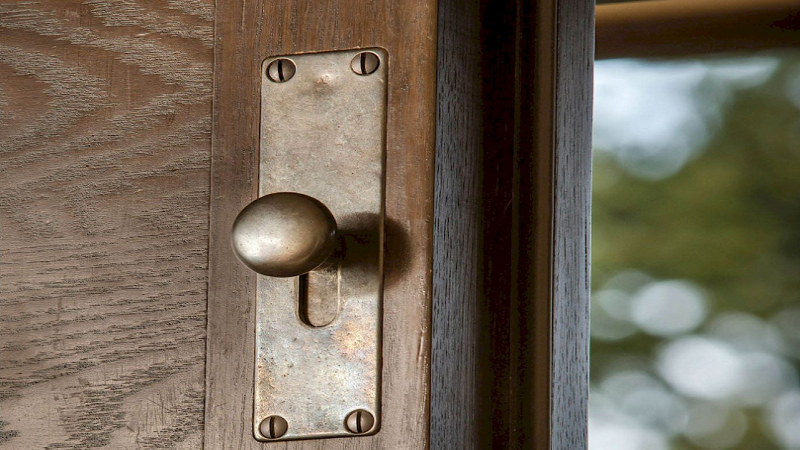
The most memorable homes often share a common characteristic. They feel complete. While beautiful furnishings, quality materials, and thoughtful layouts certainly contribute to that impression, many of the details responsible for a home’s success remain largely unseen. Design professionals understand the value of elements such as a Rocky Mountain flush bolt because these components help support both functionality and architectural refinement.
Great design is rarely defined by a single feature. Instead, it emerges from the careful coordination of countless details working together. Some of the most important contributions come from hardware and architectural elements that quietly perform their role every day.
Why Small Details Matter
When people walk through a well-designed home, they often notice the overall atmosphere before identifying specific features. Spaces feel balanced, comfortable, and intentional.
This experience is usually the result of many carefully considered decisions. Architectural details, hardware selections, and construction elements all contribute to the final outcome.
Designers understand that even the smallest components can influence functionality and visual harmony. While these details may not attract immediate attention, their absence is often noticeable when a space feels unfinished or poorly planned.
Attention to detail helps transform a collection of rooms into a cohesive living environment.
The Importance of Functional Design
Beautiful interiors must also function effectively. Homeowners interact with doors, cabinetry, storage systems, and architectural features every day.
Hardware plays a critical role in supporting these interactions. Well-designed components help spaces operate smoothly while maintaining the intended appearance of the design.
Flush bolts are an excellent example of this principle. They help secure inactive doors within paired door systems while remaining largely hidden from view. This allows designers to preserve clean sightlines and architectural consistency.
The result is a solution that supports both performance and aesthetics.
Creating Clean Architectural Lines
Many contemporary and transitional homes emphasize simplicity and visual clarity. Designers often seek ways to reduce unnecessary visual distractions while maintaining full functionality.
Hidden hardware supports this objective. By concealing functional components within doors and frames, designers can create cleaner architectural lines and more refined interiors.
This approach allows the architecture itself to become the focus rather than the mechanics required to support it.
When hardware works quietly in the background, spaces often feel more polished and intentional.
Supporting Custom Millwork
Custom millwork frequently serves as one of the defining features of luxury homes. Built-in cabinetry, paneled doors, and architectural woodwork introduce character and craftsmanship throughout a residence.
These features rely on precision and careful detailing. Hardware selections play an important role in ensuring that custom elements perform as intended.
Flush bolts help support double-door applications commonly found in libraries, home offices, dining rooms, and formal living spaces. By securing one door while allowing the other to operate normally, they contribute to smooth functionality without disrupting the overall design.
This attention to detail helps preserve the integrity of custom architectural features.
The Relationship Between Form and Function
Successful design often balances visual appeal with practical performance. Neither objective should come at the expense of the other.
Hidden hardware demonstrates how these goals can work together. Rather than forcing homeowners to choose between appearance and usability, thoughtfully designed components support both priorities.
This balance is especially important in luxury residential projects where expectations for quality remain high across every aspect of the home.
Designers frequently evaluate products based on their ability to contribute to both aesthetic and functional goals simultaneously.
Why Designers Value Invisible Solutions
Some of the most effective design solutions are the ones that go unnoticed. Hidden hardware often falls into this category.
When doors operate smoothly, architectural lines remain uninterrupted, and spaces function as intended, homeowners rarely think about the hardware responsible for those outcomes. Yet these components play an essential role behind the scenes.
Professionals recognize that successful design often depends on these invisible contributions. By addressing practical requirements discreetly, hidden hardware allows the broader design vision to remain the focal point.
This approach supports interiors that feel calm, cohesive, and carefully considered.
Long-Term Benefits of Quality Hardware
Durability remains an important consideration in any residential project. Hardware experiences regular use and must continue performing reliably over time.
Quality components contribute to long-term satisfaction by maintaining both functionality and appearance. They help reduce maintenance concerns while supporting the daily operation of the home.
Because hidden hardware is often integrated into architectural features, selecting dependable products becomes especially important. Well-made components help preserve the performance of doors and millwork for years to come.
This long-term perspective aligns with the broader goals of thoughtful residential design.
The Details That Complete a Home
Luxury homes are often defined by the care invested in every aspect of the design process. Large architectural decisions establish the framework, but smaller details help bring the vision to life.
Hidden hardware demonstrates how seemingly minor components can have a meaningful impact on the overall experience of a home. By supporting functionality while preserving visual harmony, these elements contribute to spaces that feel refined and complete.
The most successful interiors rarely rely on a single dramatic feature. Instead, they benefit from countless thoughtful decisions that work together to create a seamless environment. Hidden architectural details may remain out of sight, but their influence can be felt throughout the entire home.