
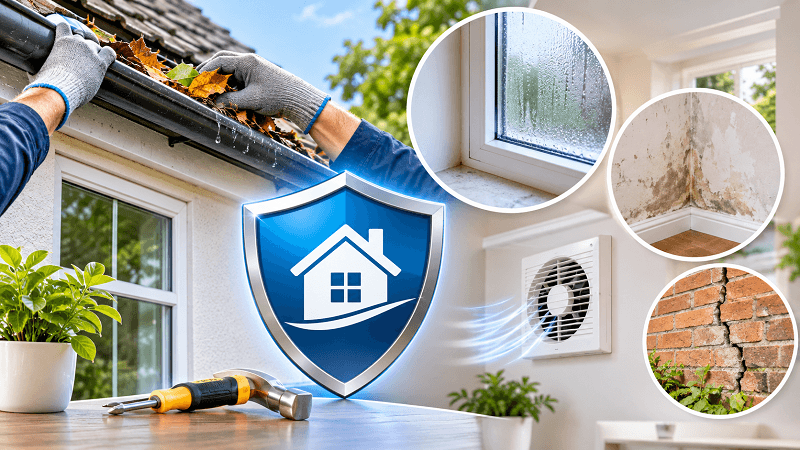
Damp is one of the most common problems affecting residential properties, particularly in areas where seasonal rainfall, changing temperatures and limited ventilation create favourable conditions for moisture build-up. Although small damp patches may initially appear harmless, untreated moisture can gradually damage walls, ceilings, flooring and other structural elements. It can also encourage mould growth, affect indoor air quality and create an uncomfortable living environment.
Preventing damp requires more than simply repainting affected walls or using household moisture absorbers. Property owners need to understand where moisture comes from, how it enters buildings and what practical steps can reduce the risk. A proactive maintenance approach can help homeowners protect their investment, avoid expensive repairs and maintain healthier indoor spaces throughout the year.
1. Understand the Different Types of Damp
Before introducing prevention measures, it is important to recognise that not all damp problems have the same underlying cause. The three most common types are condensation, rising damp and penetrating damp. Each requires a different approach to identification and treatment.
Condensation develops when warm, moisture-filled air comes into contact with colder surfaces, such as windows, external walls and ceilings. Rising damp occurs when moisture travels upwards through walls from the ground, particularly where damp-proofing measures are missing or damaged. Penetrating damp develops when water enters a building through external defects, including damaged roofs, leaking gutters, cracked masonry or poorly sealed windows.
Understanding these differences helps homeowners avoid ineffective treatments. Professional guidance on residential damp prevention in London can help property owners understand the importance of identifying moisture sources before choosing an appropriate solution.
2. Improve Indoor Ventilation
Poor ventilation is a major contributor to condensation, especially in kitchens, bathrooms, utility rooms and bedrooms. Everyday activities such as cooking, showering, drying clothes and even breathing release moisture into indoor air. Without sufficient ventilation, this moisture can accumulate and settle on colder surfaces.
Installing or maintaining extractor fans in kitchens and bathrooms can help remove excess humidity. Opening windows regularly also encourages fresh air circulation, although ventilation should be balanced with outdoor weather conditions and energy efficiency.
Homeowners should avoid blocking existing air vents, particularly in older properties designed to rely on natural airflow. Furniture should also be positioned slightly away from external walls where possible, allowing air to circulate behind larger items.
These relatively simple habits can make a noticeable difference to indoor moisture levels and reduce the likelihood of recurring condensation.
3. Maintain Roofs, Gutters and External Walls
Water entering from outside is another significant cause of residential damp. Even relatively small defects can allow moisture to penetrate building materials over time. Damaged roof coverings, blocked gutters, loose flashing and cracked exterior walls are common examples.
Regular property inspections help identify these issues before they develop into expensive repairs. Gutters and downpipes should be cleared of leaves and debris to ensure rainwater flows away from the building correctly. Roof tiles, chimney flashing and exterior sealants should also be checked periodically.
Paying attention to external ground levels is equally important. Soil, paving or garden materials should not bridge the property’s damp-proof course, as this can create pathways for moisture to enter walls.
Promptly repairing exterior defects helps maintain the building envelope and reduces the risk of persistent water penetration.
4. Control Indoor Humidity and Everyday Moisture
Managing moisture inside the home is an important part of long-term damp prevention. Simple changes to everyday routines can help prevent excessive humidity from accumulating.
When cooking, homeowners should use extractor fans or keep suitable ventilation available. Bathroom doors should remain closed during showers, while extraction systems should continue running afterwards to remove residual moisture.
Drying clothes indoors without adequate ventilation can also increase humidity considerably. Where outdoor drying is not practical, a properly ventilated room or suitable dehumidifier can help manage excess moisture.
Dehumidifiers are particularly useful in rooms with limited airflow, but they should not be considered a permanent solution to structural damp. If moisture continues returning despite improved ventilation and humidity control, the underlying cause should be investigated rather than repeatedly treating the visible symptoms.
5. Arrange Professional Inspections When Necessary
Although routine maintenance can prevent many moisture-related problems, some situations require specialist assessment. Persistent damp patches, peeling wallpaper, deteriorating plaster, musty smells and recurring mould may indicate an underlying issue that ordinary cleaning cannot resolve.
A professional inspection can help distinguish between condensation, rising damp and penetrating damp. Specialists may assess wall moisture, environmental conditions, ventilation and external building features before recommending suitable treatment.
Choosing experienced professionals is particularly important because unnecessary damp-proofing work can create additional costs without addressing the actual problem. Property owners should look for clear explanations of the findings, transparent quotations and appropriate guarantees.
Addressing the cause rather than covering visible damage provides a more reliable foundation for protecting the building over the long term.
Conclusion
Damp prevention should be treated as an ongoing part of responsible property maintenance rather than a response to visible damage. Improving ventilation, controlling indoor humidity, maintaining external structures and identifying early warning signs can significantly reduce the risk of moisture-related deterioration.
However, preventative measures are only effective when they address the conditions responsible for damp. Persistent problems deserve proper investigation, particularly where structural defects or failed damp-proofing systems may be involved.
As building maintenance standards continue to evolve, homeowners will benefit from taking a more informed and proactive approach to property preservation. Regular inspections, timely repairs and appropriate professional advice can help maintain comfortable living environments while protecting the long-term condition and value of residential properties.