
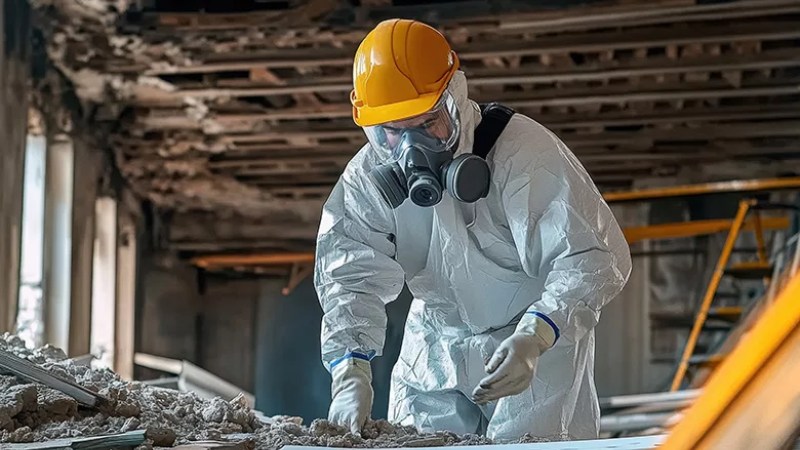
In the construction and building management sectors, ensuring safety is paramount. One essential aspect of this is conducting a proper asbestos inspection to identify any presence of asbestos-containing materials (ACMs). This guide provides an in-depth understanding of asbestos inspection and its significance in maintaining a safer environment.
Understanding Asbestos
Asbestos is a naturally occurring fibrous mineral that was widely used in building materials due to its durability and resistance to heat. However, it was later discovered to be hazardous to human health, leading to respiratory issues and diseases such as mesothelioma and asbestosis.
The Importance of Asbestos Inspection
An asbestos inspection is crucial in identifying the presence of ACMs in buildings, especially those constructed before the 1990s. An inspection helps in assessing the risk level and determining appropriate management or removal strategies to ensure safety.
Components of a Standard Asbestos Inspection
A typical asbestos inspection consists of several key components to ensure comprehensive evaluation.
Visual Assessment
This involves a detailed examination of the building’s structure, focusing on materials that are likely to contain asbestos. Inspectors look for signs of damage or disturbance that could release asbestos fibres into the air.
Sample Collection and Analysis
Suspect materials are carefully sampled and sent for laboratory analysis to confirm the presence and concentration of asbestos. Accredited laboratories use specific testing methods to provide accurate results.
Risk Assessment
Based on the findings from the visual assessment and sample analysis, a risk assessment is conducted. This determines the potential exposure risk and helps in deciding the necessary action—whether it is regular monitoring, containment, or removal.
Who Should Conduct an Asbestos Inspection?
It is imperative that asbestos inspections are conducted by licensed and experienced professionals. They possess the expertise and equipment needed to perform inspections safely and effectively while complying with legal regulations and industry standards.
Legal Requirements and Standards
Various legal requirements govern asbestos inspections and management. In Australia, regulations stipulate that asbestos must be identified and managed in workplaces. Non-compliance can lead to penalties and increased health risks.
The Role of Environmental Consulting Firms
Environmental consulting firms, like Enviro X Consulting, play a significant role in conducting asbestos inspections. They offer specialised services that encompass thorough inspections, risk assessments, and management plans to address any detected asbestos hazards.
Asbestos Management Plans
An asbestos management plan outlines the procedures and measures to manage identified asbestos in a building. It includes regular inspections, training for staff, and emergency procedures in the event of fibre release.
Steps Following an Asbestos Inspection
Post-inspection, building owners should adhere to the recommendations provided. If removal is deemed necessary, it should be carried out by professionals following stringent safety guidelines.
Asbestos Removal and Disposal
When removal is unavoidable, it must be conducted by licensed asbestos removalists. Proper disposal is equally important to ensure asbestos does not pose a risk to the environment or public health.
Maintaining Asbestos Safety
Regular monitoring and maintenance of asbestos-containing materials are vital components of asbestos safety. Building managers should ensure that any changes in the condition of ACMs are promptly addressed.
Future Trends in Asbestos Management
Technological advancements in inspection methods and the ongoing development of safer material alternatives are shaping the future of asbestos management. Enhanced training and awareness also contribute to improved safety practices.
Conclusion
In conclusion, effective asbestos inspection and management are integral to ensuring a safe environment, particularly in older buildings. Engaging experienced professionals can aid in accurately identifying risks and implementing appropriate safety measures.