
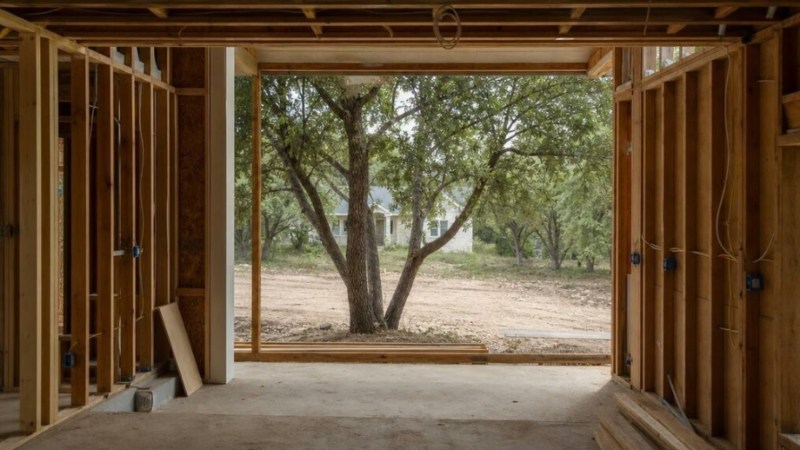
Most homeowners assume a room addition is straightforward. In reality, permits are almost always required, and skipping that step can stall a sale, trigger fines, or force costly demolition. Understanding the rules before construction begins saves significant time and money. Seven Custom Homes, founded in 2007 and based in Lakeway, TX, has guided Austin-area homeowners through the permitting process on projects ranging from modest bedroom expansions to full-scale luxury additions.
The Short Answer: Yes, Almost Always
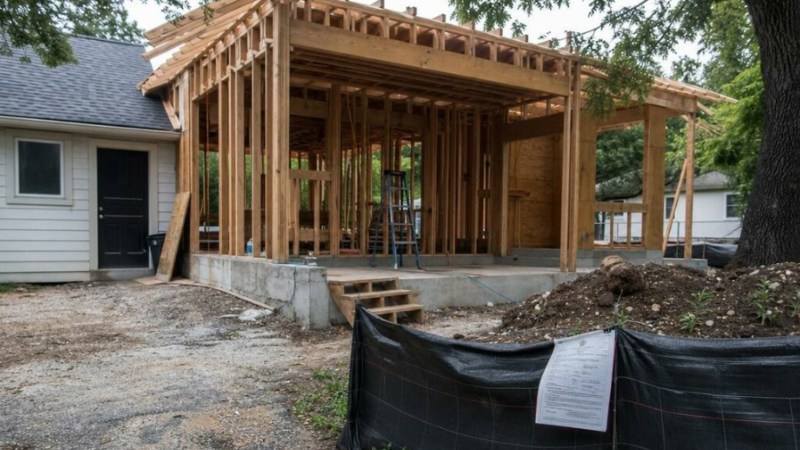
In Austin, TX, virtually every room addition requires a building permit. The City of Austin Development Services Department (DSD) serves as the primary permitting authority within city limits. Surrounding communities including Lakeway, Bee Cave, and West Lake Hills operate under their own municipal authority, though the same fundamental requirement applies.
Permits protect homeowners by ensuring structural, electrical, mechanical, and plumbing work meets the 2021 International Residential Code as adopted by Texas, along with local Austin amendments. Each trade category triggers its own separate permit requirement under Austin’s code framework.
What Triggers a Permit Requirement in Austin?
Austin’s DSD sets the threshold for permit requirements lower than most homeowners expect, following the International Residential Code with local amendments that extend triggers well beyond state minimums.
Structural Changes Always Require a Permit
Any work touching the building’s structural envelope requires a permit. This includes adding a new room, expanding outward, modifying load-bearing walls, adding a second story, or attaching a new foundation. Even a covered patio connecting to the existing structure falls under this rule. Homeowners in Lakeway, Bee Cave, and West Lake Hills must verify requirements with their local jurisdiction, as those communities do not automatically follow Austin DSD rules.
Electrical, Plumbing, and Mechanical Work
A base building permit is only the starting point. New electrical circuits, HVAC duct extensions, and plumbing rough-in for bathroom additions or wet bars each require separate trade permits. Under Texas law, licensed electricians and plumbers must pull their own trade permits; a general contractor coordinates the process but cannot pull those permits on their behalf.
The Square Footage Threshold
Austin offers no blanket small-addition exemption. Any habitable space addition, regardless of size, requires a permit within city limits. Detached accessory structures under 200 square feet may qualify for simplified permits in surrounding communities, but that exception does not apply reliably inside Austin. Builders experienced with room addition permit requirements in Texas, such as Seven Custom Homes’ room additions division, confirm this distinction matters before construction begins.
How Seven Custom Homes Handles Permitting for Room Additions
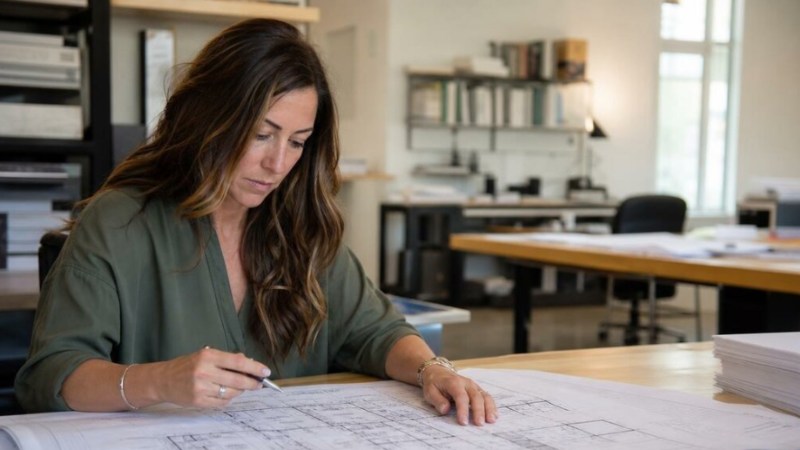
A design-build firm handles all permit paperwork on the homeowner’s behalf. Founded in 2007 by David Lyne, Seven Custom Homes has completed more than $500 million in residential projects across Central Texas and earned the 2014 Custom Builder of the Year recognition. Homeowners never contact Austin’s DSD directly, the firm coordinates every submission, revision, and approval.
The firm’s proprietary AI-powered project management software tracks each permit submission in real time, including trade permits for electrical and plumbing. When a delay occurs, the system flags it immediately and the in-house team adjusts inspection scheduling accordingly. Seven Custom Homes serves Austin, Lakeway, Bee Cave, West Lake Hills, and surrounding communities, applying the correct jurisdiction requirements from the first submission to reduce the risk of unpermitted work issues surfacing later.
Frequently Asked Questions
How Long Does the Austin Permit Approval Process Typically Take?
Timelines vary by project complexity and DSD workload. Simple additions can receive approval in two to four weeks; projects involving structural engineering reviews may take six to ten weeks or longer. Submitting complete, accurate permit packages upfront avoids revision requests that add weeks to the process.
Can I Start Construction While My Permit Is Still Pending?
No. Starting construction before the City of Austin issues a permit violates Austin city code and can result in stop-work orders, fines, and mandatory demolition of unpermitted work. Contractors cannot legally begin work until they post the physical permit on site. Homeowners and contractors should schedule project timelines around the confirmed permit issuance, not the application date.
Will an Unpermitted Addition Hurt My Home’s Resale Value?
Yes. Buyers, lenders, and title companies routinely flag unpermitted square footage, and some lenders will refuse to finance a home with known code violations. Sellers are often required to disclose unpermitted work or retroactively permit it before closing, which can be significantly more expensive than obtaining the permit before construction.
Does a Room Addition Require My Neighbors’ Approval in Austin?
Neighbors have no approval authority, but Austin zoning rules protect neighboring properties through setback requirements, impervious cover limits, and height restrictions. Projects in a historic district or governed by a homeowners association may face additional review steps. Reviewing all applicable zoning overlays before design begins prevents surprises late in the process.
What Happens If My Room Addition Fails an Inspection?
A failed inspection results in a correction notice listing specific code deficiencies that must be addressed before the project can proceed. Work must be corrected and re-inspected before moving to the next construction phase. Addressing deficiencies promptly keeps the project on schedule.
Are Permits Required for Additions to a Detached Garage or Accessory Dwelling Unit?
Yes. Detached structures, accessory dwelling units, and garage conversions all require permits in Austin, and ADUs are subject to additional size, setback, and owner-occupancy regulations. Permit requirements have grown more detailed as the city has updated its ADU ordinances, making it important to review current requirements before any design work begins.
How Much Do Building Permits for a Room Addition Cost in Austin?
Permit fees are calculated based on total construction valuation and scale with project size and scope. A modest room addition might carry fees of several hundred dollars, while larger or more complex projects can reach into the thousands. A transparent breakdown of estimated permit fees should be included in the overall project budget to avoid unexpected costs at application time.
About Seven Custom Homes
Seven Custom Homes is a luxury custom home builder serving the Greater Austin area and Texas Hill Country, with offices at 312 Medical Parkway, Building B, Lakeway, TX 78738. Founded in 2007, the firm specializes in architectural design, energy-efficient construction, and AI-powered project management for custom residences and estate developments. Its 2014 Custom Builder of the Year award reflects nearly two decades of permitted, high-complexity residential work across Travis County and surrounding communities.
Business Name: Seven Custom Homes
Address: 312 Medical Parkway Building B, Austin, TX 78738
Phone Number: (512) 662-1349
<iframe src=”https://www.google.com/maps/embed?pb=!1m18!1m12!1m3!1d3443.730431484653!2d-97.96950439999999!3d30.3301846!2m3!1f0!2f0!3f0!3m2!1i1024!2i768!4f13.1!3m3!1m2!1s0x865b39c6a73aced7%3A0xdf71558324df5dec!2sSeven%20Custom%20Homes!5e0!3m2!1sen!2sph!4v1782989119095!5m2!1sen!2sph” width=”600″ height=”450″ style=”border:0;” allowfullscreen=”” loading=”lazy” referrerpolicy=”strict-origin-when-cross-origin”></iframe>