
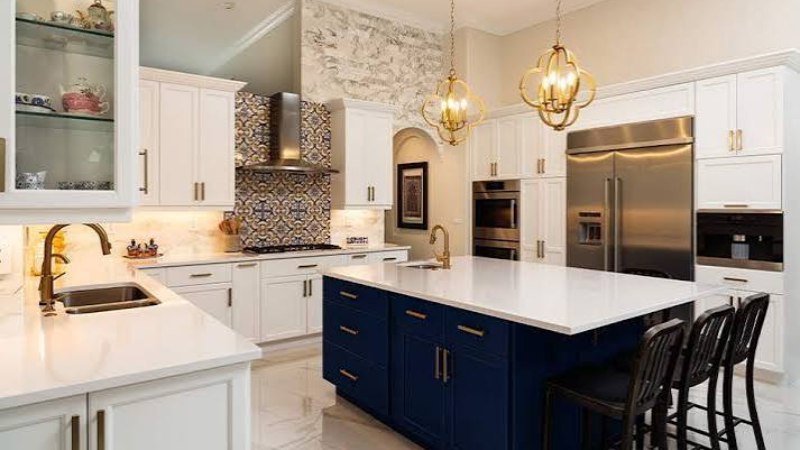
A luxury kitchen should feel refined, comfortable, and easy to use every day. The best designs do more than look impressive. They support cooking, storage, gathering, cleaning, and movement with thoughtful planning, high-quality materials, and details that suit the way the household lives.
Begin With How the Kitchen Is Used
Style decisions become easier when function is clear. A kitchen for frequent entertaining may need generous serving space, discreet storage, and flexible seating. A kitchen for daily family meals may benefit from durable finishes, wide walkways, and organized zones for preparation, cooking, and cleanup.
Working with kitchen designers in Toronto can help align layout choices with lifestyle needs, especially when the goal is a polished space that still feels practical. Professional planning often reveals small adjustments that improve comfort without reducing visual impact.
Plan the Layout Before Choosing Finishes
A beautiful kitchen can feel frustrating if the layout is awkward. The sink, cooking surface, refrigerator, pantry, and prep areas should relate naturally to one another. Walkways should remain open, and cabinet doors, appliance doors, and seating areas should not compete for space.
Key layout priorities
- Keep frequently used items close to their work zones
- Allow enough counter space beside major appliances
- Maintain comfortable clearance around islands and seating
- Separate cooking traffic from social areas when possible
- Plan storage around real habits, not just available wall space
Use Cabinetry as Both a Design Feature and a Workhorse
Cabinetry often defines the character of a luxury kitchen. Door style, finish, hardware, and proportions set the tone, while interior fittings determine how well the space functions. The most successful kitchens combine elegant exterior design with practical storage inside.
Well-planned kitchen cabinets in Barrie can support a refined look while improving everyday organization. Deep drawers, tray dividers, pull-out shelves, hidden bins, and appliance garages reduce clutter and help preserve clean sightlines.
Cabinet details that improve daily use
- Soft-close hinges and drawer systems for quiet operation
- Full-extension drawers for easier access to stored items
- Integrated lighting for drawers, display shelves, and prep zones
- Custom inserts for utensils, spices, cookware, and pantry goods
- Finished cabinet interiors for a more complete luxury feel
Choose Materials That Look Elegant and Perform Well
Luxury materials should be selected for beauty, durability, and maintenance. Natural stone, engineered surfaces, wood, metal, glass, and tile each bring different strengths. A highly polished surface may look dramatic, while a honed or textured finish may better hide fingerprints and daily wear.
For countertops, consider heat resistance, staining risk, edge profiles, and cleaning needs. For flooring, comfort underfoot and slip resistance matter as much as appearance. For backsplashes, the grout pattern and surface texture should suit both the design scheme and cleaning expectations.
Balance Statement Features With Visual Calm
A luxury kitchen does not need every element to compete for attention. One or two focal points usually create stronger impact. A sculptural island, dramatic stone slab, feature lighting, or custom range surround can stand out best when surrounding finishes are more restrained.
Visual balance comes from rhythm, proportion, and contrast. Matte cabinetry can soften reflective metal. Warm wood can balance cool stone. Thin profiles can offset heavier architectural elements. These details help the space feel layered rather than overwhelming.
Lighting Should Support Mood and Tasks
Lighting is essential to both style and function. A single overhead fixture rarely provides enough flexibility. Luxury kitchens typically benefit from layered lighting, including ambient ceiling light, focused task lighting, decorative fixtures, and subtle accent lighting.
- Use task lighting over preparation, cooking, and cleanup areas
- Add dimming controls to adjust the atmosphere throughout the day
- Place decorative fixtures where they enhance scale and symmetry
- Use under-cabinet lighting to reduce shadows on work surfaces
Keep Appliances Integrated and Practical
Appliances should suit cooking habits, not just the overall look. Panel-ready refrigeration, concealed ventilation, built-in ovens, and integrated dishwashers can create a seamless appearance. At the same time, appliance placement should remain convenient, safe, and efficient.
Hidden appliances can support a cleaner design, but accessibility still matters. Small appliances used daily should have assigned spaces. A luxury kitchen feels more refined when counters stay open and the items behind cabinet doors are easy to reach.
Design for Long-Term Comfort
A well-balanced luxury kitchen should age gracefully. Classic proportions, quality construction, durable finishes, and adaptable storage often outlast short-lived trends. Personal style still matters, but it works best when supported by practical decisions that make the space easier to live in.
The strongest kitchens feel elegant without being delicate. They welcome daily use, simplify routines, and create a setting where cooking, hosting, and gathering feel natural. When style and function are planned together, luxury becomes part of everyday comfort.