
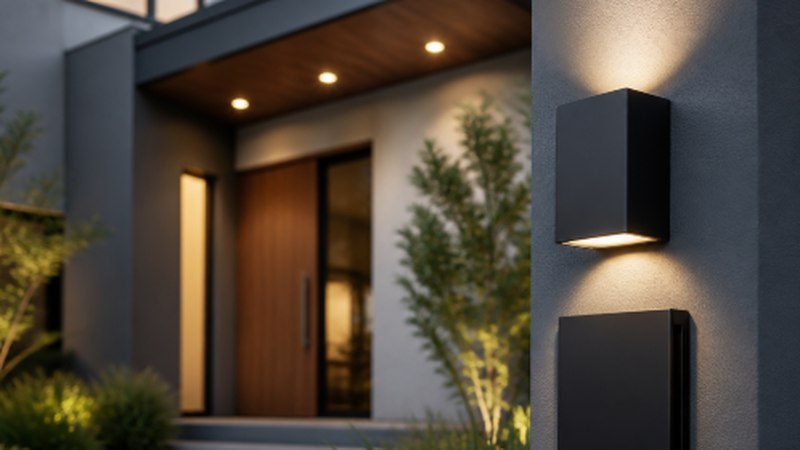
First impressions are shaped in seconds. Before a guest rings the doorbell or a delivery driver steps out of a vehicle, they have already formed an opinion about your home based on what they see from the street. While landscaping, paint color, and lighting all contribute to that impression, one detail is often overlooked despite its outsized visual impact: the house number. Far from being a bureaucratic necessity, a well-chosen house number is a design statement — a small but deliberate expression of the home’s overall aesthetic. As architectural tastes have evolved toward cleaner lines, natural materials, and intentional minimalism, the demand for thoughtfully designed exterior signage has grown accordingly.
The Design Philosophy Behind Exterior Numbering
Good design is rarely accidental. The homes that feel cohesive and polished from the outside share a common trait: every element, no matter how small, has been considered. House numbers fall squarely into this category. When chosen carelessly — mismatched fonts, flimsy plastic materials, awkward sizing — they undermine an otherwise well-curated exterior. When chosen with intention, they anchor the façade and communicate a sense of care and quality that resonates with anyone who passes by.
The design philosophy behind exterior numbering has shifted significantly over the past decade. Homeowners are no longer satisfied with generic brass digits from a hardware store. They want numbers that complement their architectural style, whether that means brushed stainless steel for a contemporary build, matte black for an industrial-modern aesthetic, or warm bronze for a craftsman bungalow. Typography matters too — serif fonts evoke tradition and warmth, while sans-serif letterforms project precision and modernity.
Scale, Placement, and Visibility
Beyond aesthetics, house numbers serve a functional purpose that should never be compromised. Emergency responders, delivery services, and visitors all rely on clear, legible numbering to locate a property quickly. This means scale and placement are just as important as style. Numbers that are too small become invisible from the street, while numbers placed in shadowed or cluttered areas lose their readability. The ideal placement is typically at eye level, unobstructed by vegetation, and positioned where natural or artificial light can illuminate them effectively. Larger homes with long driveways may benefit from oversized numerals that can be read from a greater distance.
Materials That Speak to Modern Sensibility
Material selection is one of the most consequential decisions in exterior design. The wrong material can look cheap within months, fading, rusting, or warping under exposure to sun, rain, and temperature fluctuations. The right material, by contrast, ages gracefully and maintains its integrity for years. Stainless steel and aluminum are popular choices for modern homes because they resist corrosion and maintain a clean, sharp appearance. Powder-coated finishes add an additional layer of durability while expanding the color palette available to homeowners. For those drawn to warmer, more organic aesthetics, solid brass and bronze offer a timeless quality that develops a beautiful patina over time.
Acrylic and backlit options have also gained traction in recent years, particularly for homes where nighttime visibility is a priority. Illuminated house numbers create a striking visual effect after dark while ensuring that the address remains readable around the clock. This intersection of function and drama is a hallmark of contemporary exterior design.
Integrating Numbers Into the Broader Exterior Palette
Successful exterior design treats the home as a unified composition. House numbers should not exist in isolation — they should relate to the door hardware, light fixtures, mailbox, and other metal accents on the façade. A matte black number paired with a matte black door handle and matching exterior sconces creates a sense of intentional harmony. Similarly, a brushed nickel number that echoes the finish of nearby fixtures ties the exterior together without demanding attention. The goal is integration, not uniformity — each element should feel like it belongs to the same design family without being identical.
This principle of cohesion extends indoors as well. Homes that achieve a seamless transition between exterior and interior spaces feel more resolved and sophisticated. Recessed access doors are one example of how thoughtful architectural detailing can eliminate visual interruptions and maintain the clean lines that define modern interiors — a philosophy that begins at the front door and carries through every room.
Inspiration From Homes That Get It Right
Some of the most compelling examples of exterior design come from homes that treat every detail as an opportunity for expression. A beautifully curated Sonoma, California home featured in Elle Decor demonstrates how restraint and material sensitivity can produce an exterior that feels both grounded and refined. The lesson from such spaces is consistent: quality over quantity, intention over impulse. The same principle applies when selecting house numbers — a single well-crafted set of numerals will always outperform a dozen mismatched alternatives.
A Brand Built Around Exterior Excellence
As homeowners have become more design-literate, the market for premium exterior accessories has expanded to meet their expectations. Specialty retailers now offer curated collections that go far beyond the generic options found in big-box stores, providing homeowners with access to professional-grade materials, refined typography, and finishes that hold up beautifully over time. The result is a category of product that genuinely elevates the exterior experience rather than simply fulfilling a regulatory requirement.
For those ready to invest in this kind of quality, the options available today are more varied and sophisticated than ever before. Whether the goal is a bold architectural statement or a subtle, understated elegance, there is a solution designed to meet it — crafted with the same care and attention that the rest of the home deserves.
Making the Right Choice for Your Home
Modern House Numbers offers a carefully curated selection of premium exterior house numbers designed to complement contemporary and transitional architectural styles. Their collection spans a range of finishes, sizes, and typographic styles, making it straightforward to find a solution that aligns with both the home’s aesthetic and the homeowner’s personal sensibility. With an emphasis on durable materials and clean design, their products are built to perform as well as they look — season after season, year after year.
Conclusion: Small Details, Lasting Impressions
In the broader conversation about home design, house numbers occupy a modest but meaningful position. They are among the first things seen and among the last things considered — a paradox that represents a genuine opportunity for homeowners willing to pay attention. Choosing the right number is not about extravagance; it is about completing the picture. A home that has been thoughtfully designed from the roofline to the garden path deserves an address marker that reflects the same level of care. When that final detail falls into place, the entire exterior composition clicks — and the home presents itself to the world exactly as it was meant to be seen.